The Majesty of the
Kandy Esala Perahera

The world's most magnificent cultural procession — a living tradition of faith, fire, and elephants that has wound through the streets of Kandy for over two millennia.

Experience It Live

A thousand years of living heritage !

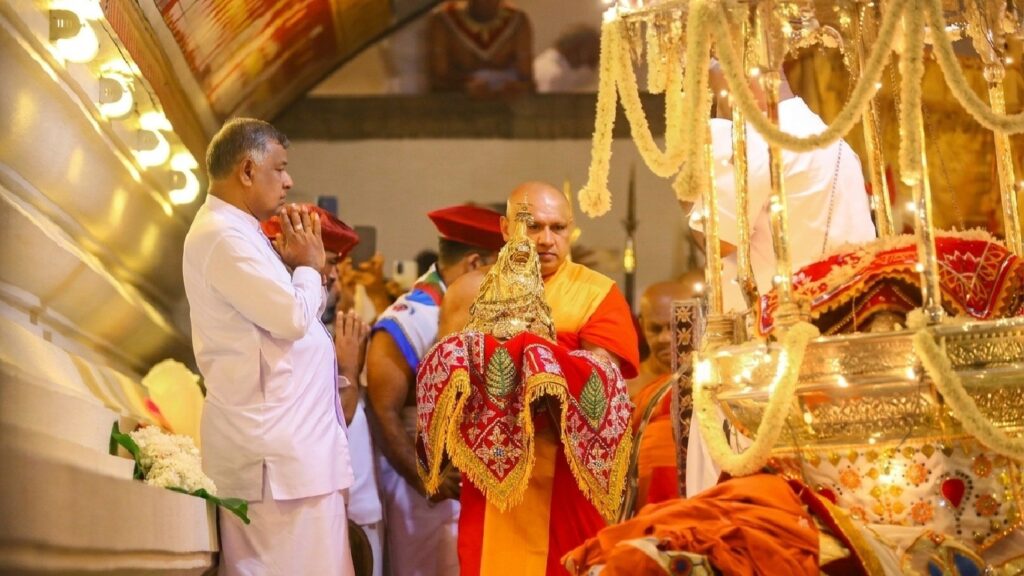
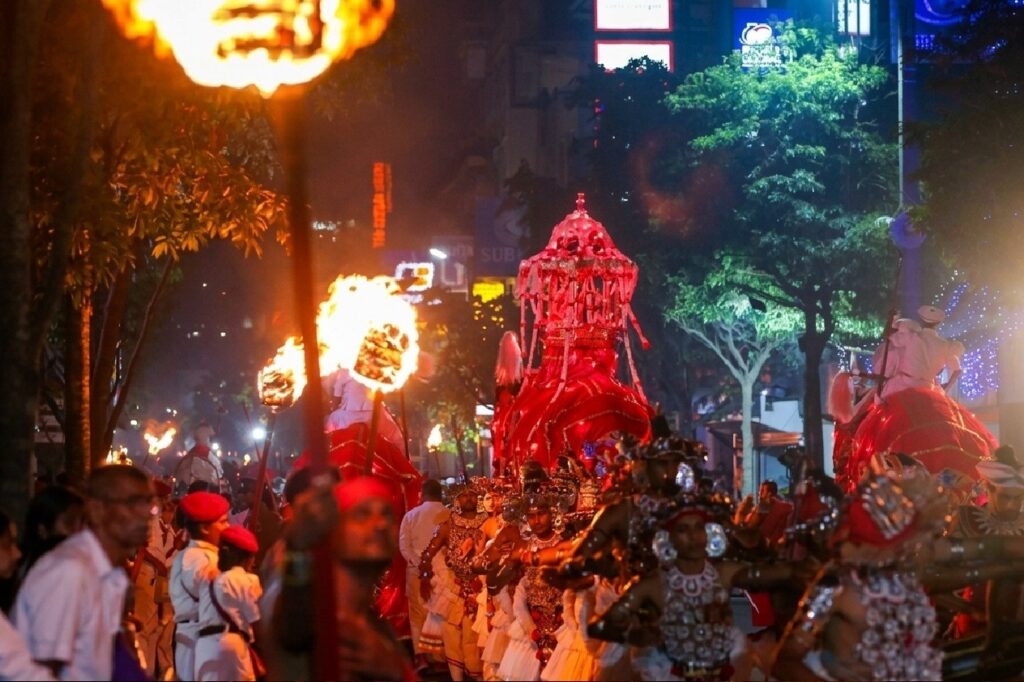
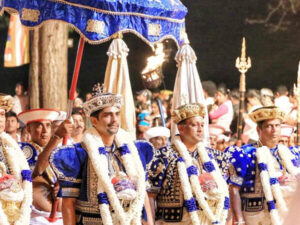
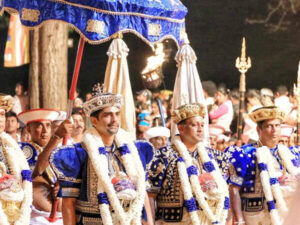
The Kandy Esala Perahera is one of Asia's oldest and most extraordinary living traditions. Every year, as the full moon rises over the sacred city of Kandy, the streets come alive with a procession that has continued, unbroken, for over a millennium.g heritage

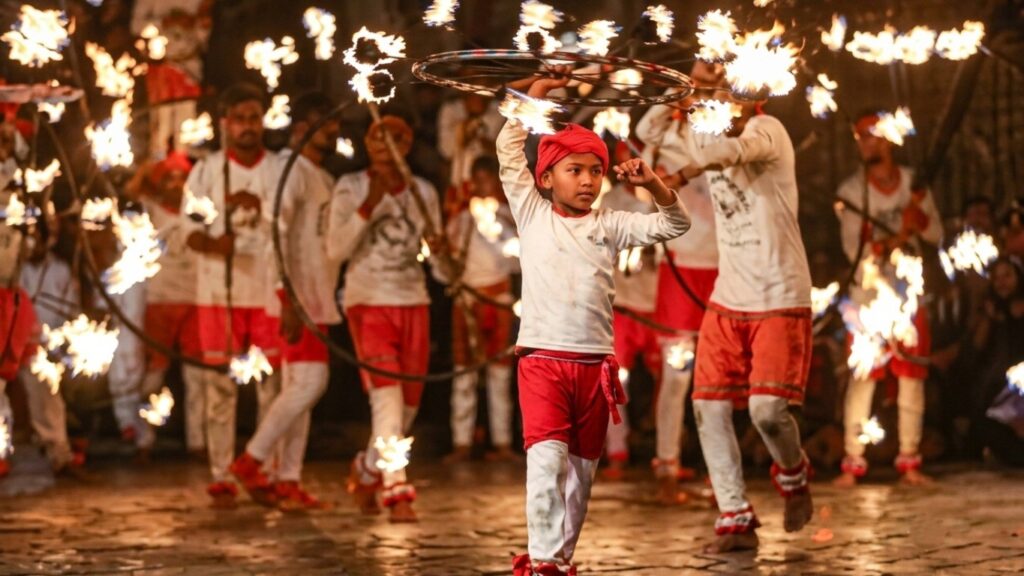
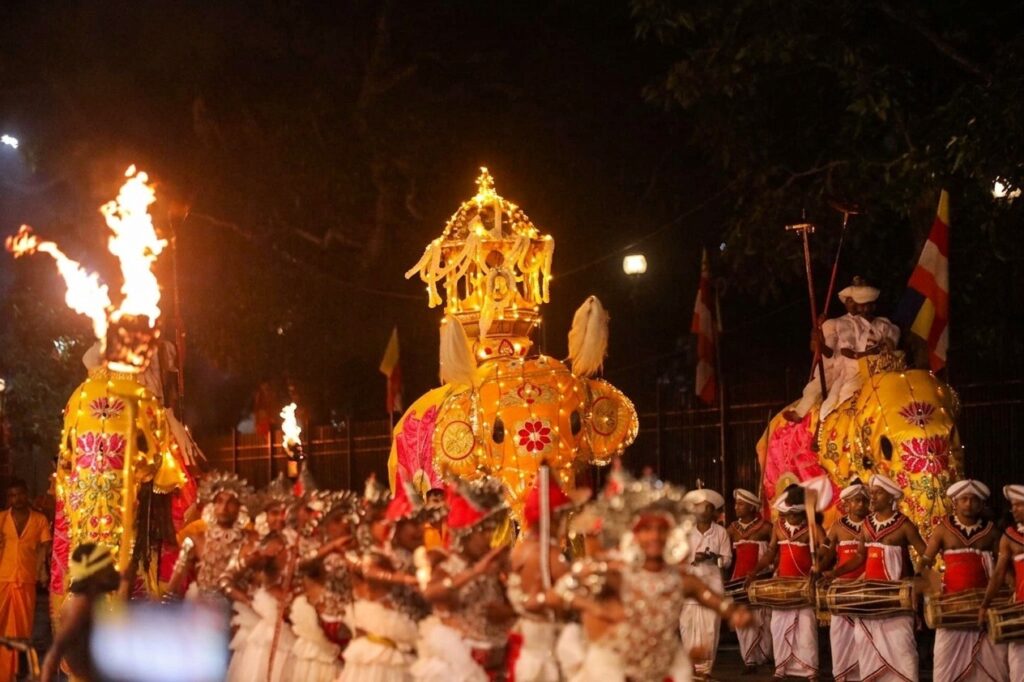
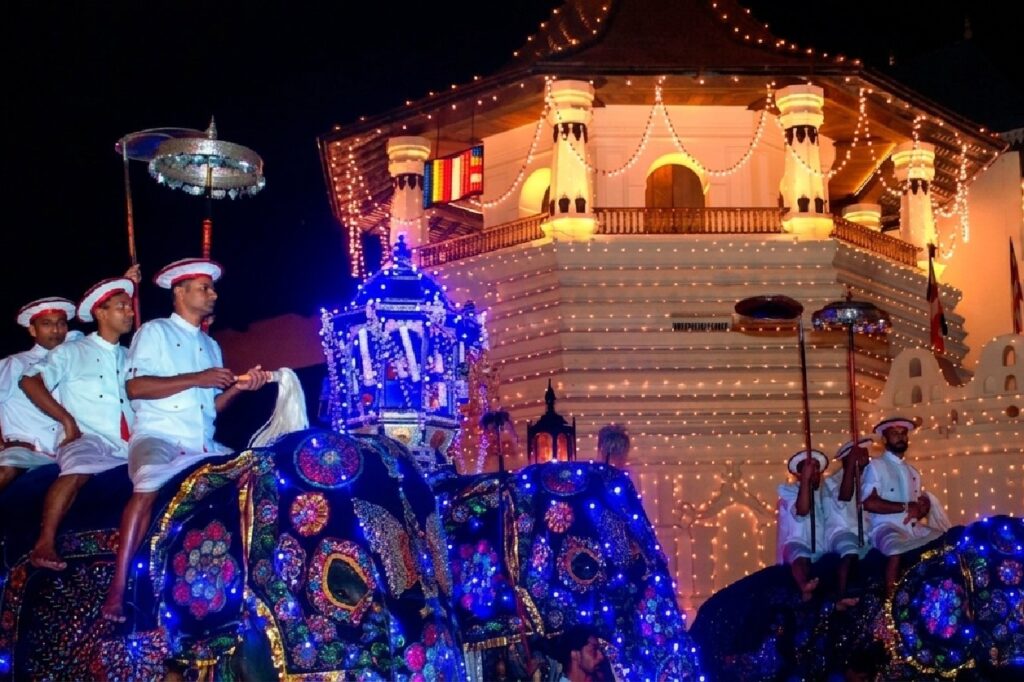
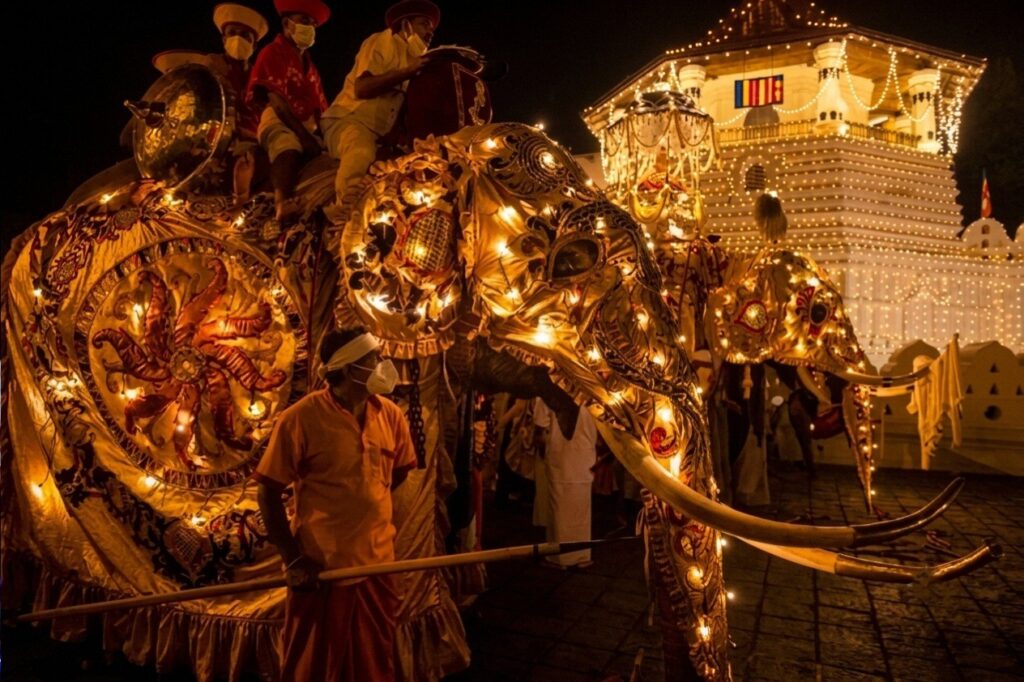
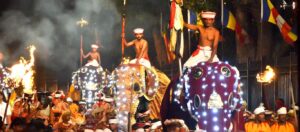
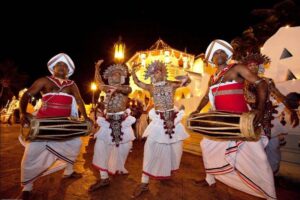
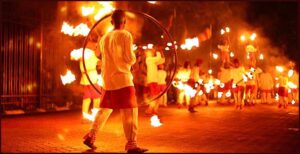
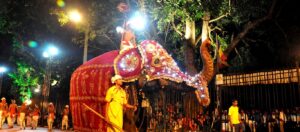
Lavishly adorned elephants carry the golden casket of the Sacred Tooth Relic. Kandyan dancers whirl to the rhythm of ancient drums. Fire-breathers, flag bearers, whip-crackers, and torch-bearers fill the night air with colour and sound.

To witness the Perahera is to feel something ancient and deeply human — a city's devotion, joy, and identity poured into one breathtaking night.

From rain ritual to world heritage

200

BC

The Esala ritual begins

An early form of the Esala Perahera is performed to invoke the gods for rain and blessings — the ancient root from which the entire festival grew.

300

AD

The Tooth Relic arrives in Sri Lanka

The Sacred Tooth Relic of the Buddha is brought from India to Sri Lanka — eight centuries after his passing — and becomes the spiritual centrepiece of the island.

400

AD

Documented by Fa Hien

Chinese pilgrim Fa Hien travels to Sri Lanka and records the Esala Perahera in detail, leaving one of the most illuminating early written accounts of the procession.

1302

The Dalada Siritha is codified

King Parakramabahu IV formalises 38 statutes governing how the procession must be conducted in the Dalada Siritha — rules that continue to guide the ceremony to this day.

1747

The modern Perahera takes shape

King Kirthi Sri Rajasinghe decrees that the Tooth Relic be carried in public procession so that all people — not just royalty — may see and venerate it. The Perahera as we know it today is born.

1815

Custody passes to the Buddhist clergy

When the Kandyan Kingdom falls to the British, the Sacred Tooth Relic passes into the care of the clergy. The Diyawadana Nilame is appointed as lay custodian — a tradition that continues to this day.

From rain ritual to world heritage

200

BC

The Esala ritual begins

An early form of the Esala Perahera is performed to invoke the gods for rain and blessings — the ancient root from which the entire festival grew.

300

AD

The Tooth Relic arrives in Sri Lanka

The Sacred Tooth Relic of the Buddha is brought from India to Sri Lanka — eight centuries after his passing — and becomes the spiritual centrepiece of the island.

400

AD

Documented by Fa Hien

Chinese pilgrim Fa Hien travels to Sri Lanka and records the Esala Perahera in detail, leaving one of the most illuminating early written accounts of the procession.

1302

The Dalada Siritha is codified

King Parakramabahu IV formalises 38 statutes governing how the procession must be conducted in the Dalada Siritha — rules that continue to guide the ceremony to this day.

1747

The modern Perahera takes shape

King Kirthi Sri Rajasinghe decrees that the Tooth Relic be carried in public procession so that all people — not just royalty — may see and venerate it. The Perahera as we know it today is born.

1815

Custody passes to the Buddhist clergy

When the Kandyan Kingdom falls to the British, the Sacred Tooth Relic passes into the care of the clergy. The Diyawadana Nilame is appointed as lay custodian — a tradition that continues to this day.

Three stages of the festival

The Kandy Esala Perahera unfolds over ten consecutive nights in August, building in grandeur from the first torch-lit procession to the magnificent finale.

Kumbal Perahera · Five nights
(KUMBAL PROCESSION)

The opening procession parades through the streets of Kandy for five nights. Traditionally associated with warding off evil, it is considered a preparatory procession — the Nilames do not march, and drummers and elephants appear without full ceremonial dress.

Randoli Perahera · Five nights
(RANDOLI PROCESSION)

The palanquin procession follows for five nights. In the days of the Kandyan kings, the Chief Queens rode in ornate palanquins. Each of the four Devales still carries a beautifully decorated palanquin bearing sacred religious articles.

Maha Randoli Perahera
(THE GRAND RANDOLI PROCESSION)

The most spectacular night of the entire festival. Tuskers adorned in gold-stitched costumes and garlands lead the procession. Drummers march in full ceremonial dress. The Diyawadana Nilame presides in newly commissioned regalia.

Kap Situveema — the opening ceremony

Before the processions begin, the festival is formally opened with the Kap Situveema (or Kappa). A young, sanctified Jackfruit tree (Artocarpus integrifolia) is ceremonially cut and planted within the grounds of each of the four Devales, invoking blessings upon the land and all who attend.

The four Devales are dedicated to Sri Lanka's guardian deities. Each contributes its own procession, its own drummers, and its own decorated palanquin to the ten-night festival.

The four Devales

Natha Devale

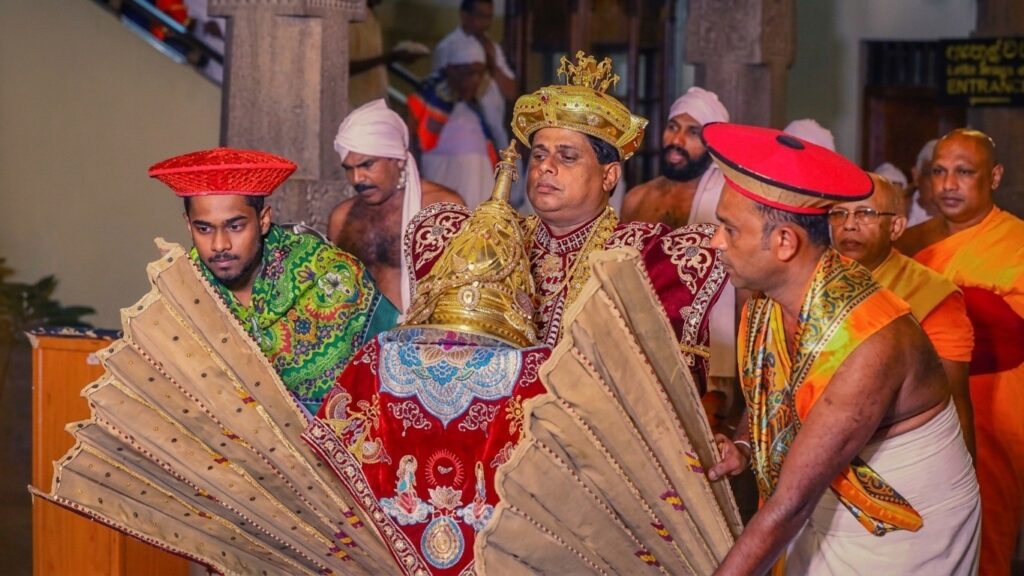
The Diyawadana Nilame

In the absence of the Kandyan kings, a lay custodian known as the Diyawadana Nilame was appointed to oversee the administrative affairs of the Temple of the Tooth. This position continues today.

On the night of the Maha Randoli Perahera, the Diyawadana Nilame leads the grand procession in full ceremonial regalia — a moment of unique grandeur that draws thousands of pilgrims and visitors from across the world.

Scroll to Top